

September 30, 2024 @ 8:00 am – 4:00 pm
Helix Human Services presents their first resource symposium: Rise Up: A Journey to Trauma Recovery.
Over the years research has proven that exposure trauma i.e. to abuse, neglect, discrimination, violence, and other adverse experiences increases a person’s lifelong potential for serious health problems and engaging in health-risk behaviors.
As health care providers grow aware of trauma’s impact, they are realizing the value of trauma-informed approaches to care. Trauma-informed care acknowledges the need to understand a person’s life experiences to deliver effective care and has the potential to improve the person’s engagement, treatment adherence, health outcomes, and caregivers’ wellness.
The conference targets educators, social workers, mentors, and caregivers for children and families, alongside anyone dedicated to enhancing the welfare of vulnerable populations within their communities. The primary objective of this conference is to educate participants on trauma and trauma-informed care, equipping them with strategies for personal application as caregivers, as well as methods for implementing trauma-informed care in support of at-risk children and families. The conference will feature 3 keynote speakers with several breakout sessions run by professionals in the field (CEUs will be offered).
Keynote Speakers (click to expand)
Morning Keynote: From Tragedy to Healing
Presented by Lisa Zarcone
Author – Child & Mental Health Advocate – Public Speaker

Lisa shares her personal story of child abuse in her riveting book, “The Unspoken Truth A Memoir”, and as the ambassador for NAASCA she uses her title and her story as a platform to speak publicly about child abuse child safety, suicide prevention, mental health and PTSD awareness.
Her story is a mix of raw and unspeakable trauma, and the resilience of a child who never gave up, marching forward with blind hope and faith leading the way. Lisa share’s her story for purpose, education and awareness. As she broke the silence, her “unspoken truths” set her free.
She will also discuss the signs of a child seeking help, as she remembers quite clearly how she was overlooked and dismissed countless times during her young life. The eyes of a child, speaks volumes. Always be aware of your surroundings, and who is trying to gain your attention. Never be afraid to ask the important questions, because you may be saving a life.
Lisa has recently released her second book, “The Book of Joann”, and this is her mother’s story and her lifelong battle with mental illness. This book showcases not only her mother’s journey, but the steps that they walked together as mother and daughter. You get a front row view to the realities of what mental illness looks like, and how it affects a whole family. Children are the most vulnerable, and when the parent or guardian does not get the proper help and support that they need, everyone falls through the cracks.
Lisa will share the very moment that her past and present came crashing together, and it brought to her knees, as the body does keep score! She will share her personal experience of hitting rock bottom, and how she made the brave and courageous steps to go on an amazing healing journey.
As the road was rocky and messy along the way, it was a road that was necessary to take, if she was going to make it over that massive mountain called “her past”.
Healing takes time, and years to work through. It comes in stages and levels. The only way to overcome it is to face it head one, one step at a time. It can be a terrifying and emotional journey, but it will be the most important one that an abuse survivor will every take.
You must start at the beginning and this is when your break the silence once and for all.
Lunch Keynote: The Impact of Poverty on the Brain
A growing body of research shows that poverty consistently is causing a loss of grey matter in the prefrontal cortex. Why is this important? Because the prefrontal cortex plays a significant role in complex cognitive tasks, personality, social behavior, and decision-making. Low socioeconomic status (SES) also correlates with a drop in brain white matter, which lowers communication between the cortex and the amygdala, reducing self-control. When the prefrontal cortex’s control is compromised, it causes the amygdala to frequently override the rational brain, producing a loss of emotional control and inappropriate behavior. The impact of poverty is changing and negatively impacting student academic performance and social behavior. The session will also provide educators with concrete strategies to be proactive rather than reactive in addressing both academic and behavioral issues associated with poverty.
Presented by Horacio Sanchez
President and CEO Resiliency Inc.
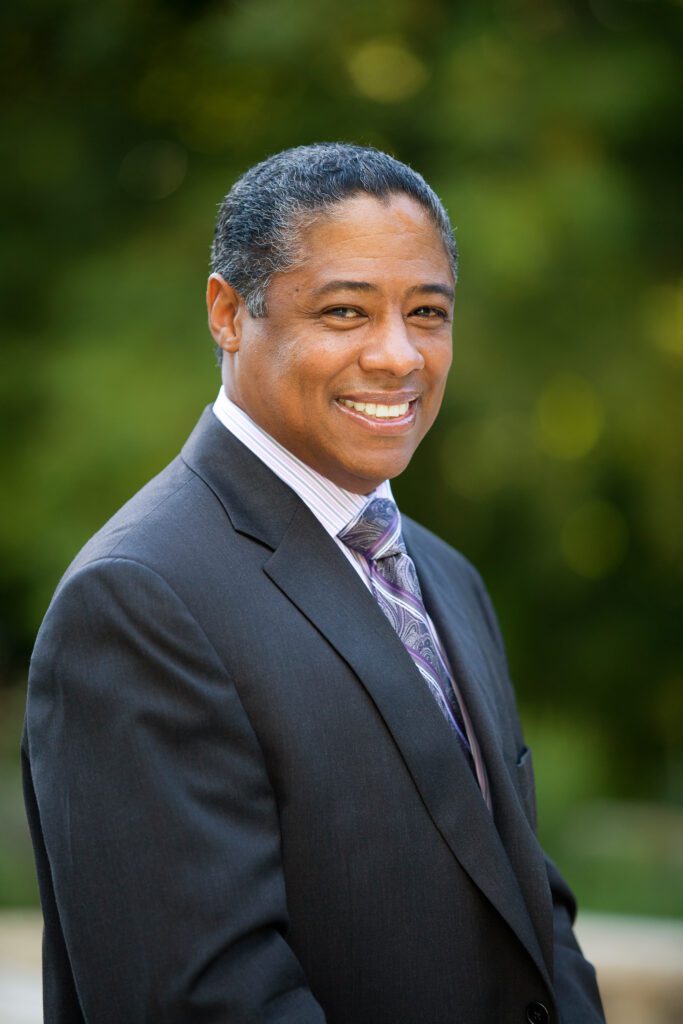
Horacio Sanchez is a highly sought-after speaker and educational consultant, helping schools learn to apply neuroscience to improve educational outcomes. He presents on diverse topics such as overcoming the impact of poverty, improving school climate, engaging in brain-based instruction, and addressing issues related to implicit bias. He is recognized as one of the nation’s leading authorities on resiliency and applied brain science.
Horacio has been a teacher, administrator, clinician, mental health director, and consultant to school districts across the United States. Horacio sits on the True Health Initiative Council of Directors, a coalition of more than 250 world-renowned health experts committed to educating on proven lifestyle principles as medicine. He is the author of the best-selling book, The Education Revolution, which applies brain science to improve instruction, behaviors, and school climate. His new best-seller, The Poverty Problem, explains how education can promote resilience and counter poverty’s impact on brain development and functioning.
Afternoon Keynote: LGBTQIA+ Affirming Care: Evolution from Tolerance → Acceptance → Affirmation
Most recent Gallup polls report 7.2% of the adult population in the U.S. identify as LGBTQ+ and for Gen Z, over 22%. LGBTQ+ affirming care is no longer a specialty area but a necessity for the contemporary helping professional. In this presentation participants will be given an outline of how they can move beyond basic kindness and respect and shift to a more LGBTQIA+ affirming approach in their work. Areas of focus will include systemic oppressive barriers for this population, protective factors and how to cultivate them, current appropriate language and terminology, and working with parents of LGBTQ+ youth.
This presentation is grounded in kindness and compassion while providing up-to-date information and tangible steps to take your work from tolerance to acceptance and affirmation. Jennifer is known for her warm interactive facilitation and truly wants to help folx learn and understand how to be more supportive and affirming. Participants will leave with concrete action steps to implement into their work and clarity on the importance of affirming care for their clients as well as the overall population.
Presented by Jennifer Wolfe-Hagstrom

Jennifer Wolfe-Hagstrom, BS Edu, MSW, LICSW (she/they) helps people pleasing NeuroDivergent and LGBTQIA+ folx struggling with multiple traumas to break cycles of pain and live free, authentic, joy-filled lives! With an MSW from NYC’s Hunter College in 2014, Jennifer brings her drive for inclusion and compassion to her private practice in Nashua, NH and beyond. Through creative expressive interventions, Animal Assisted Therapy, and parts work, Jennifer digs into deep healing rooted in compassion.
Jennifer shares her knowledge of social work and creativity via clinical supervision and continuing education training relating to vicarious trauma, burnout, self-compassion, affirming care, and new professionals. Jennifer is also known to share her love of SoulCollage® in workshops with fellow helpers and healers via KindnessCornerStudio.com.
Jennifer resides in NH with her kiddo and animals. She is the owner of Kindness Corner Therapy, PLLC providing clinical services and supervision to folx in NH, ME, and VT.
Connect with her online at KindnessCornerTherapy.com!
Morning Breakout Sessions (click to expand)
Self Care Strategies for Caregivers: Navigating Developmental and Unresolved Trauma
This course is designed for caregivers who seek to understand and manage the impact of developmental and unresolved trauma on their well-being. Participants will begin to explore how trauma experiences affect their caregiving roles and personal lives, and learn practical self-care strategies to foster resilience and emotional health. Through interactive discussion and reflective exercises, caregivers will gain tools to manage stress, set boundaries, and enhance their overall quality of life while supporting their own healing journey.
Presented by: Kim Monson
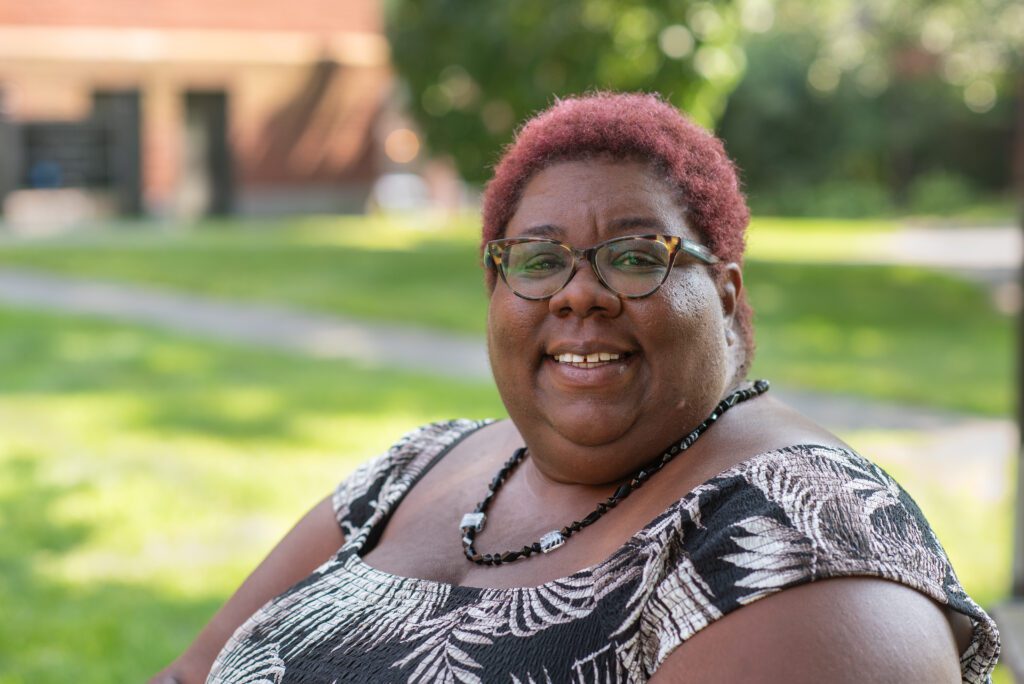
Kim Monson, MSW, LICSW (she/her) identifes as a Black, cis female from Holyoke, MA. Over the last 16 years Kim has worked in Western Massachusetts with youth, adults, and families in a variety of settings, including outpatient, preschools, residential programs for youth in DCF care & with adult women with postpartum depression and/or substance use disorders, and as an administrator overseeing residential programs for youth in DCF care.
In addition to her education, Associates Degree in Arts & Sciences from Holyoke Community College, a Bachelor’s Degree in Human Services from University of Hartford, and a Master’s Degree in Clinical Social Work from Smith College School for Social Work, Kim has received additional training in Cognitive Behavioral Therapy (CBT), Trauma Focused Cognitive Behavioral Therapy (TF -CBT), Adoption competency (becoming an adoption competent therapist), trauma informed treatment, and Family Systems Therapy.
The Foundation of School Climate: Promoting Student Success
Self-regulation is the mental process that overrides obstacles that hinder planning, attention, learning, memory, and the coping skills required for students to achieve immediate goals and long-term success. Without the skill to self-regulate, students will succumb to the whim of every thought, distraction, emotion, and desire. The lack of self-regulation is the root of many behavioral and academic issues education faces today. The development of self-control enables students to transcend life’s obstacles and engage in new skills that promote educational success (Inzlicht, Bartholow, & Hirsh, 2015). Therefore, educators must know how to develop self-regulation to maximize student achievement. Learn the key steps identified by neuroscience to promote self-regulation. The steps identified in the research have been found to help students placed at risk by life’s circumstances to experience life success.
Areas Covered in the Training
- Understanding student behavior
- Keys to improving school climate
- Promoting a positive social culture
- Motivating the unmotivated student
- Building skills that improve behaviors and academic performance
Presented by: Horacio Sanchez
Horacio Sanchez is a highly sought-after speaker and educational consultant, helping schools learn to apply neuroscience to improve educational outcomes. He presents on diverse topics such as overcoming the impact of poverty, improving school climate, engaging in brain-based instruction, and addressing issues related to implicit bias. He is recognized as one of the nation’s leading authorities on resiliency and applied brain science.
Horacio has been a teacher, administrator, clinician, mental health director, and consultant to school districts across the United States. Horacio sits on the True Health Initiative Council of Directors, a coalition of more than 250 world-renowned health experts committed to educating on proven lifestyle principles as medicine. He is the author of the best-selling book, The Education Revolution, which applies brain science to improve instruction, behaviors, and school climate. His new best-seller, The Poverty Problem, explains how education can promote resilience and counter poverty’s impact on brain development and functioning.
Science Meets Love: How to integrate a trauma informed care in medical settings
Applying trauma informed care in hospitals and primary care offices can be a challenge yet, it can result in enhance client/patient satisfaction and improve clinical outcomes of treatment. The audience will develop an understanding of trauma related reactions and behaviors that people exhibit when receiving services in healthcare. This training will illustrate practical ways in which providers of medical care can adopt a trauma informed approach when working with patients who have mistrust and negative experiences with the healthcare system. Employing a systems approach this training will show a model where organizations can implement a trauma informed management style to promote the utilization of a trauma response approach with the people they serve.
Presented by: Dr. Edna Rodriguez

Edna Rodriguez is a MA & CT licensed bilingual/bicultural clinical psychologist who has spent her career working within non-profit organizations providing and leading the implementation of clinical services from an evidence-based approach. She obtained her doctorate degree from Ponce Health Sciences University, Puerto Rico in 2013 and shortly moved to MA to serve the Latin population from North End Springfield. She currently serves as the Director of Behavioral Health for Trinity Health of New England (Mercy, Brightside for Families and Children and Johnson Memorial Hospital). Her training and clinical work focus on the adaptation of evidence-based assessments to underserved populations and minorities. She has worked in a wide array of clinical levels including, outpatient, psychiatric inpatient,residential programs for people with substance use disorders, and emergency departments serving children and adults. Her vision as a psychologist is to make interventions and programs function to highest standards using data driven interventions. Her work prioritizes education about stigma and cultural humility/awareness to help providers treat with respect and compassion people with histories of trauma, recovering from substance use and other mental illnesses. From a holistic and comprehensive approach Edna incorporates important aspects of spirituality as a base and foundation to help people to build a life worth living.
All About Accelerated Resolution Therapy (ART)
This course is designed to inform professionals working in mental health clinics, residential programs, schools, medical facilities and private practices about a new evidence based mental health strategy called Accelerated Resolution Therapy (ART). Participants will have an understanding about what is ART, and the benefits of moving negative sensations and emotions for optimal functioning. It will define trauma and how does ART work with people who have trauma? Participants will learn what diagnoses are best to work with ART, and who is the best candidate for ART. Examples of clients who utilized ART will be provided.
Presented by: Maria Zygmont
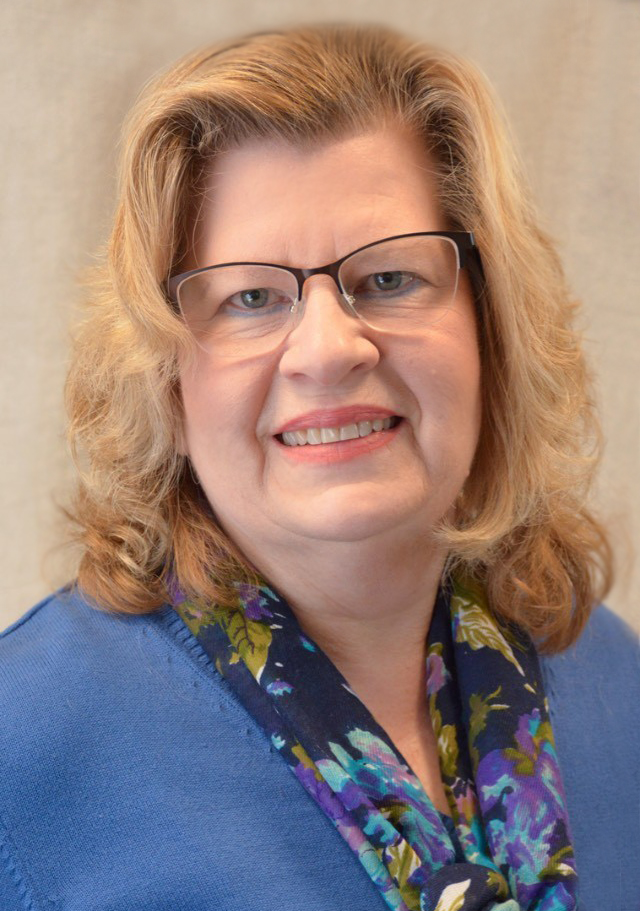
Maria has over 40 years of mental health experience. She is a Certified Master Accelerated Resolution Therapy (ART) Practitioner and a Certified Advanced ART Practitioner. Maria has been practicing ART since 2011. She has been a facilitator/trainer since 2017. She graduated from Springfield College with a Masters in Marriage and Family Therapy, and is a licensed Marriage and Family Therapist. She is an approved supervisor and Clinical Fellow of the American Association for Marriage and Family Therapy. Maria is also a former Board Member of the Massachusetts Association for Marriage and Family Therapy. Maria has been the Director of the Brightside Family Stabilization since 1993. In November of 2009, the Children’s Behavioral Health Initiative (CBHI) services of In-home Therapy and Therapeutic Mentoring were added. Maria also has a private practice where she utilizes ART in a systemic framework.
Maria works with each individual member of a family, including the adults and children, using ART techniques, to overcome an identified area by the clients, that maybe a factor in their family interactional functioning.
Before coming to Brightside, Maria received extensive cognitive and behavioral training as a Director at Goodwill Industries Psychological Service Department. Here she was responsible for the placement of individuals with cognitive and emotional impairments into supportive community-based living arrangements, as well as psychological testing and developing and implementing behavioral management plans within the framework of family system theory.
Trauma Informed Care with ASD Population: Home, School, and Community
This presentation will explore the principles and application of Trauma-Informed Care (TIC) for caregivers of individuals with Autism Spectrum Disorder (ASD) across various settings; including home, community, and school environments. Participants will gain a deeper understanding of how trauma impacts individuals with ASD and how to create supportive, responsive environments that address these unique needs. The session will cover practical strategies for integrating TIC into daily practices across these settings.
Presented by: Dr. Karly Cardova

Karly Cardova, EdD., BCBA-D, LABA is an autism specialist and applied behavioral analyst with many years of education, research, and experience. She is the owner and behavior analyst of KHY ABA Consultation Group Inc. Dr. Karly received her Doctor of Education in Educational Leadership from Nova Southeastern University in 2017. Since then she has published 8 works and is a reviewer of the Journal of Autism and Developmental Disorders (JADD).
Afternoon Breakout Sessions (click to expand)
Self Care Strategies for Caregivers: Navigating Developmental and Unresolved Trauma
This course is designed for caregivers who seek to understand and manage the impact of developmental and unresolved trauma on their well-being. Participants will begin to explore how trauma experiences affect their caregiving roles and personal lives, and learn practical self-care strategies to foster resilience and emotional health. Through interactive discussion and reflective exercises, caregivers will gain tools to manage stress, set boundaries, and enhance their overall quality of life while supporting their own healing journey.
Presented by: Kim Monson
Kim Monson, MSW, LICSW (she/her) identifes as a Black, cis female from Holyoke, MA. Over the last 16 years Kim has worked in Western Massachusetts with youth, adults, and families in a variety of settings, including outpatient, preschools, residential programs for youth in DCF care & with adult women with postpartum depression and/or substance use disorders, and as an administrator overseeing residential programs for youth in DCF care.
In addition to her education, Associates Degree in Arts & Sciences from Holyoke Community College, a Bachelor’s Degree in Human Services from University of Hartford, and a Master’s Degree in Clinical Social Work from Smith College School for Social Work, Kim has received additional training in Cognitive Behavioral Therapy (CBT), Trauma Focused Cognitive Behavioral Therapy (TF -CBT), Adoption competency (becoming an adoption competent therapist), trauma informed treatment, and Family Systems Therapy.
Science Meets Love: How to integrate a trauma informed care in medical settings
Applying trauma informed care in hospitals and primary care offices can be a challenge yet, it can result in enhance client/patient satisfaction and improve clinical outcomes of treatment. The audience will develop an understanding of trauma related reactions and behaviors that people exhibit when receiving services in healthcare. This training will illustrate practical ways in which providers of medical care can adopt a trauma informed approach when working with patients who have mistrust and negative experiences with the healthcare system. Employing a systems approach this training will show a model where organizations can implement a trauma informed management style to promote the utilization of a trauma response approach with the people they serve.
Presented by: Dr. Edna Rodriguez
Edna Rodriguez is a MA & CT licensed bilingual/bicultural clinical psychologist who has spent her career working within non-profit organizations providing and leading the implementation of clinical services from an evidence-based approach. She obtained her doctorate degree from Ponce Health Sciences University, Puerto Rico in 2013 and shortly moved to MA to serve the Latin population from North End Springfield. She currently serves as the Director of Behavioral Health for Trinity Health of New England (Mercy, Brightside for Families and Children and Johnson Memorial Hospital). Her training and clinical work focus on the adaptation of evidence-based assessments to underserved populations and minorities. She has worked in a wide array of clinical levels including, outpatient, psychiatric inpatient,residential programs for people with substance use disorders, and emergency departments serving children and adults. Her vision as a psychologist is to make interventions and programs function to highest standards using data driven interventions. Her work prioritizes education about stigma and cultural humility/awareness to help providers treat with respect and compassion people with histories of trauma, recovering from substance use and other mental illnesses. From a holistic and comprehensive approach Edna incorporates important aspects of spirituality as a base and foundation to help people to build a life worth living.
Managing Burnout: Knowledge and Tips to Sustain Your Work as a Helping Professional
In the past four years we all have experienced different and
amplified stressors that we did not anticipate. We have all been pushed to
stress levels that were unfamiliar and often even terrifying. How could we not
be burnt out? Whether you are currently experiencing symptoms of professional burnout, have in the past, or know that it’s a possibility in the future due to
the nature of our helping professions, this workshop is going to give you
information and action steps you need to know about in order to manage this
occupational hazard. The distinctions between burnout, vicarious trauma, and
compassion fatigue will be explored along with application of exercises proven
to decrease negative symptoms that come along with these particular struggles.
Jennifer will co-create a space with you that is kind, nurturing, curious, and
helpful while sharing experiences and research that will help you be the best
helping professional you can be.
Presented by: Jennifer Wolfe-Hagstrom
Jennifer Wolfe-Hagstrom (she/they), helps people pleasing NeuroDivergent and LGBTQIA+ folx struggling with multiple traumas to break cycles of pain and live free, authentic, joy-filled lives!
After completing her MSW from NYC’s Hunter College, Jennifer opened a private practice in Nashua, NH, the Kindness Corner Studio. Here, she offers creative expressive interventions, Animal Assisted Therapy, and parts work to facilitate deep healing rooted in empathy.
Jennifer shares her knowledge of social work and creativity via clinical supervision and continuing education training relating to vicarious trauma, burnout, self-compassion, affirming care, and new professionals. Jennifer is also known to share her love of SoulCollage® in workshops with fellow helpers and healers via KindnessCornerStudio.com.
The Body Keeps Score
Lisa Zarcone will explore how trauma and abuse manifest in the body, which often attempts to shield the brain from overwhelming experiences by erecting protective barriers. However, these defenses can lead to long-term damage, causing the brain to dysfunction and affecting all aspects of life in adulthood. The effects of trauma, abuse, loss, and neglect create internal chaos, prompting varied bodily responses.
Drawing from personal experiences, Lisa will illustrate the lifelong impact of trauma. Her story reflects the profound toll of years of abuse. She will also discuss strategies for overcoming this damage and highlight the resilience of childhood. By reconnecting with our inner child, true healing can occur. This journey involves revisiting the origins of trauma to piece together a fragmented self.
While challenging, this process offers profound healing potential, capable of transforming lives.
Presented by: Lisa Zarcone

Lisa Zarcone, author of The Unspoken Truth, is one remarkable woman. Her childhood was nothing less than hideous. Her ability to survive in her silent world of treachery is truly astonishing. Writing this novel is her way of giving back.
A wife, mother of three and grandmother of three; Lisa is the everyday woman with extraordinary gifts. She has worked with the disabled teaching life skills and writing. Lisa has also mentored young women teaching journaling, poetry and art therapy.
Lisa has a passion for working with those who have mental illness. What her past has taught her about mental illness cannot be read in a textbook. This is life experience and watching it through the eyes of a young child puts a whole new understanding to it.